- Sep 5
Sleep and Mental Health: Why Sleep Is the Most Underrated Clinical Lever
- Dr. Mel
- 0 comments
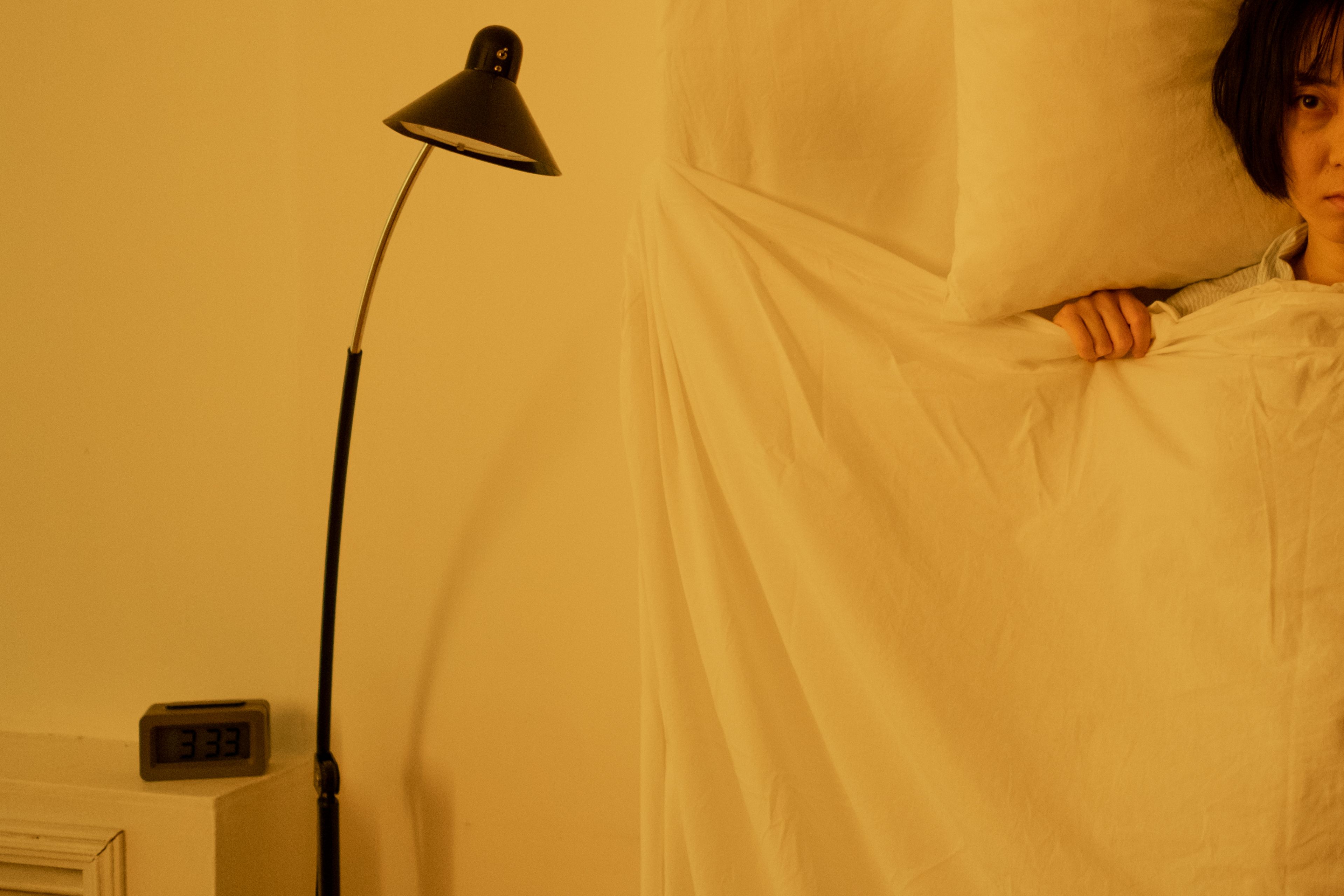
Photo by cottonbro studio: https://www.pexels.com/photo/a-woman-suffering-from-insomnia-6753361/
You probably already know you should sleep better.
You have probably tried going to bed earlier, putting your phone down, cutting back on caffeine, downloading a meditation app. You have probably also noticed that knowing what you should do and actually doing it consistently — and having it work — are three different things.
There is a reason for that. And it is not willpower.
Sleep is one of the most researched topics in medicine and one of the most consistently undertreated variables in mental health. Not because clinicians do not know it matters — they do — but because the gap between "sleep more" and actually understanding how sleep works, why it fails, and what changes the pattern is wider than most public health advice acknowledges.
Up to now, you may have been treating sleep as a lifestyle choice — something to optimise when you have the time and energy to prioritise it. But what if there is a better way to understand what it actually is and what it actually does?
What sleep actually does
Sleep is not rest. Or rather, it is not only rest. While the body is still and the conscious mind is offline, the brain is doing some of its most important work.
Memory consolidation. During sleep — particularly during slow-wave sleep and REM — the brain transfers information from short-term to long-term storage, processes emotional memories, and integrates new learning with existing knowledge (Walker, 2017). A night of poor sleep after learning something new reduces retention by up to 40%.
Emotional regulation reset. REM sleep in particular appears to serve a crucial function in emotional processing — reducing the emotional charge of distressing memories and restoring the prefrontal cortex's capacity to regulate the amygdala (van der Helm et al., 2011). This is why a problem that felt overwhelming at midnight often feels more manageable in the morning — and why chronic sleep deprivation produces chronic emotional dysregulation.
Glymphatic clearance. During sleep, the brain's glymphatic system — a waste-clearance system — expands and flushes out metabolic byproducts, including amyloid beta, the protein associated with Alzheimer's disease (Xie et al., 2013). Sleep is, among other things, the brain's overnight cleaning cycle.
Immune function and inflammation. Sleep deprivation increases inflammatory markers and suppresses immune function. Chronic poor sleep is associated with elevated inflammatory cytokines — the same cytokines implicated in the neurobiological mechanisms of depression (Irwin, 2015).
Hormonal regulation. Growth hormone is released primarily during deep sleep. Cortisol follows a circadian rhythm that sleep disruption derails — producing elevated baseline cortisol, which feeds the anxiety-sleep disruption cycle. Insulin sensitivity is also affected by sleep quality, with implications for metabolic health that extend well beyond the psychiatric.
None of this is optional. Sleep is not a lifestyle variable. It is a biological necessity — and treating it as anything less is a clinical mistake.
What sleep deprivation actually does to the brain
The effects of insufficient sleep on mental health are not subtle.
A single night of poor sleep measurably reduces prefrontal cortical function and increases amygdala reactivity by up to 60% — producing a dysregulation pattern that is neurologically indistinguishable from anxiety (Yoo et al., 2007). This is why sleep-deprived people are more emotionally reactive, more prone to catastrophising, and less able to put distressing events into perspective. It is not a matter of attitude. It is a matter of neurobiology.
Chronic sleep deprivation — defined as consistently getting less than seven hours — is associated with significantly elevated risk of depression, anxiety disorders, and psychosis (Freeman et al., 2017). The relationship is bidirectional: poor sleep worsens mental health, and poor mental health worsens sleep. But the evidence increasingly suggests that sleep disruption is not only a symptom of mental health difficulties — it is a causal contributor to them, and addressing it directly often produces improvements in mood and anxiety that psychotherapy alone does not achieve.
Cognitively, sleep deprivation impairs attention, working memory, decision-making, and emotional regulation — and, crucially, impairs the ability to accurately assess one's own impairment. Most chronically sleep-deprived people have adapted to a lower baseline and no longer have an accurate reference point for what they felt like when adequately rested.
Why standard sleep advice fails
The standard sleep hygiene advice — consistent bedtime, no screens before bed, cool dark room, avoid caffeine after noon — is not wrong. It is insufficient.
Sleep hygiene addresses the conditions for sleep. It does not address the mechanisms that are actively preventing it. For people with chronic insomnia, the primary maintaining mechanism is not usually a screen or a coffee. It is a combination of conditioned arousal (the bed has become associated with wakefulness rather than sleep), cognitive hyperarousal (an active, anxious mind that escalates when the environment quietens), and compensatory behaviours (lying in bed longer, napping, variable wake times) that inadvertently perpetuate the problem.
Telling someone with clinical insomnia to practise better sleep hygiene is clinically equivalent to telling someone with generalised anxiety disorder to worry less. Accurate as far as it goes. Not sufficient.
What actually works
Cognitive Behavioural Therapy for Insomnia (CBT-I). CBT-I is the most evidence-based treatment for chronic insomnia — recommended as first-line treatment ahead of sleep medication in guidelines from the American College of Physicians, the European Sleep Research Society, and the UK's NICE (Qaseem et al., 2016). It addresses the cognitive hyperarousal and conditioned arousal that maintain insomnia, and it produces effects that are more durable than medication — because it addresses the mechanism rather than suppressing the symptom.
The core components include sleep restriction (counterintuitive but highly effective — temporarily restricting time in bed to consolidate sleep drive), stimulus control (rebuilding the association between bed and sleepiness rather than wakefulness), cognitive restructuring of beliefs about sleep, and relaxation techniques. It is ideally delivered by a trained clinician and is increasingly available in digital form for those who cannot access face-to-face treatment.
Addressing the anxiety-sleep cycle directly. For people whose sleep disruption is primarily driven by anxiety — a racing mind, inability to switch off, hypervigilance — treating the anxiety is as important as treating the sleep. Bottom-up nervous system regulation (extended exhale breathing, progressive muscle relaxation) before bed is not a sleep hygiene tip. It is a physiological intervention that reduces cortisol and shifts the autonomic nervous system toward the parasympathetic state that sleep requires.
Sleep medication — in context. Sleep medication (z-drugs, benzodiazepines, antihistamines) is effective for short-term sleep disruption and appropriate in some clinical contexts. For chronic insomnia, it addresses the symptom rather than the mechanism, and long-term use carries dependency risks. It is best understood as a bridge rather than a solution — and is most appropriately used alongside, not instead of, CBT-I.
Light and circadian rhythm. The circadian rhythm — the body's internal clock — is entrained primarily by light. Morning light exposure (ideally natural sunlight within an hour of waking) is the single most evidence-supported intervention for advancing sleep timing and improving sleep quality, with effects on mood comparable to antidepressants in some studies (Lam et al., 2016). Evening light suppresses melatonin and delays sleep onset — which is what screens are doing, but the intervention is not to avoid screens; it is to get bright light in the morning, which is more powerful.
The sleep-mental health spiral — and how to break it
The most important clinical insight about sleep and mental health is the spiral: poor sleep worsens mood and anxiety, which worsen sleep, which worsens mood and anxiety. This cycle maintains itself and, without intervention, tends to escalate.
Breaking the spiral requires identifying the entry point. For some people, treating the mood or anxiety disorder produces sleep improvement. For others, addressing sleep directly produces mood improvement. For many, both need to be addressed simultaneously.
What does not break the spiral: willpower, lifestyle optimisation as a substitute for clinical intervention, and waiting for the mental health to improve before addressing the sleep — or vice versa.
If you are also neurodivergent
Sleep difficulties are significantly more prevalent in autistic and ADHD adults than in the general population — affecting an estimated 50–80% of autistic individuals and a substantial proportion of those with ADHD (Cortesi et al., 2010).
The mechanisms are specific. Autistic adults often show differences in melatonin production and circadian rhythm that are neurobiological rather than behavioural in origin — meaning standard sleep hygiene is even less likely to be sufficient. Sensory sensitivities affect the sleep environment in ways that neurotypical sleep advice does not account for. And the social scripts around sleep — the expectation of a specific bedtime, the pressure to sleep in conventional ways — can themselves be a source of anxiety that perpetuates the problem.
In ADHD, the combination of delayed sleep phase, difficulty disengaging from stimulating activities, and hyperactive cognition at night produces a characteristic pattern of late sleep onset that is frequently pathologised as poor discipline rather than recognised as a neurobiological feature requiring a calibrated rather than standard response.
Resources for late-diagnosed neurodivergent adults navigating sleep are available at Mindpath Academy.
When to seek professional support
Sleep difficulties warrant professional attention when they are:
Present for more than three months
Occurring three or more nights per week
Producing significant daytime impairment — fatigue, cognitive difficulties, mood disturbance
Not responding to self-directed approaches
Associated with significant anxiety about sleep itself
A GP can rule out medical contributors (sleep apnoea, thyroid dysfunction, pain conditions). A clinical psychologist trained in CBT-I can provide the most evidence-based treatment for chronic insomnia. A sleep medicine specialist is appropriate for complex presentations.
You do not need to accept poor sleep as a permanent condition. It responds to treatment — and treating it has effects on mental health that most people do not anticipate until they experience them.
→ Why You Can't Sleep: A Clinical Psychologist's Honest Guide A 20+ page clinical guide covering what sleep actually does, why standard advice fails, and the evidence-based approaches that produce lasting change — including CBT-I, stimulus control, morning light therapy, and specific chapters for neurodivergent adults and perimenopausal women. $4.99.
→ Book a single coaching session with Dr Melanie du Preez One session. No package required. A clinical conversation about what is driving the sleep difficulty and where to start.
References
Cortesi, F., Giannotti, F., Ivanenko, A., & Johnson, K. (2010). Sleep in children with autistic spectrum disorder. Sleep Medicine, 11(7), 659–664. https://doi.org/10.1016/j.sleep.2010.01.010
Freeman, D., Sheaves, B., Goodwin, G. M., Yu, L. M., Nickless, A., Harrison, P. J., Emsley, R., Luik, A. I., Foster, R. G., Wadekar, V., Hinds, C., Gumley, A., Jones, R., Lightman, S., Jones, S., Bentall, R., Kinderman, P., Rowse, G., Brugha, T., … Espie, C. A. (2017). The effects of improving sleep on mental health (OASIS): A randomised controlled trial with mediation analysis. The Lancet Psychiatry, 4(10), 749–758. https://doi.org/10.1016/S2215-0366(17)30328-0
Irwin, M. R. (2015). Why sleep is important for health: A psychoneuroimmunology perspective. Annual Review of Psychology, 66, 143–172. https://doi.org/10.1146/annurev-psych-010213-115205
Lam, R. W., Levitt, A. J., Levitan, R. D., Michalak, E. E., Cheung, A. H., Morehouse, R., Ramasubbu, R., Yatham, L. N., & Tam, E. M. (2016). Efficacy of bright light treatment, fluoxetine, and the combination in patients with nonseasonal major depressive disorder. JAMA Psychiatry, 73(1), 56–63. https://doi.org/10.1001/jamapsychiatry.2015.2235
Qaseem, A., Kansagara, D., Forciea, M. A., Cooke, M., & Denberg, T. D. (2016). Management of chronic insomnia disorder in adults: A clinical practice guideline from the American College of Physicians. Annals of Internal Medicine, 165(2), 125–133. https://doi.org/10.7326/M15-2175
van der Helm, E., Yao, J., Dutt, S., Rao, V., Saletin, J. M., & Walker, M. P. (2011). REM sleep depotentiates amygdala activity to previous emotional experiences. Current Biology, 21(23), 2029–2032. https://doi.org/10.1016/j.cub.2011.10.052
Walker, M. (2017). Why we sleep: Unlocking the power of sleep and dreams. Scribner.
Xie, L., Kang, H., Xu, Q., Chen, M. J., Liao, Y., Thiyagarajan, M., O'Donnell, J., Christensen, D. J., Nicholson, C., Iliff, J. J., Takano, T., Deane, R., & Nedergaard, M. (2013). Sleep drives metabolite clearance from the adult brain. Science, 342(6156), 373–377. https://doi.org/10.1126/science.1241224
Yoo, S. S., Gujar, N., Hu, P., Jolesz, F. A., & Walker, M. P. (2007). The human emotional brain without sleep — a prefrontal amygdala disconnect. Current Biology, 17(20), R877–R878. https://doi.org/10.1016/j.cub.2007.08.007